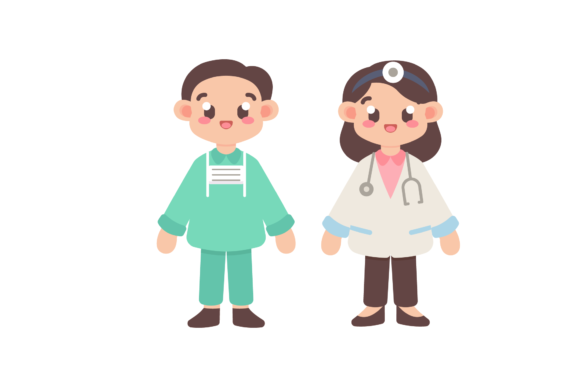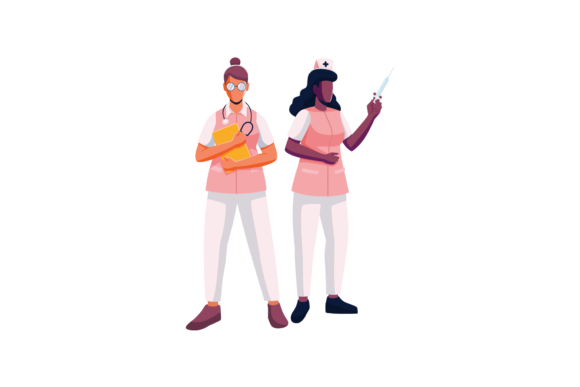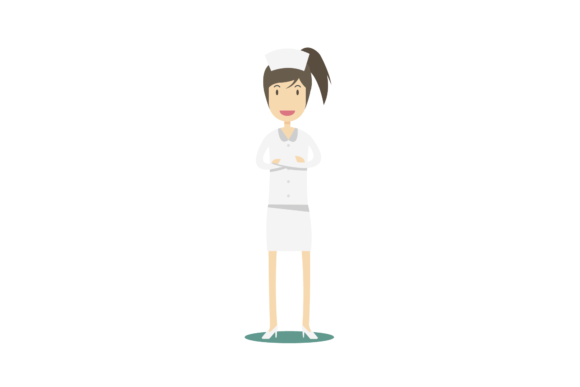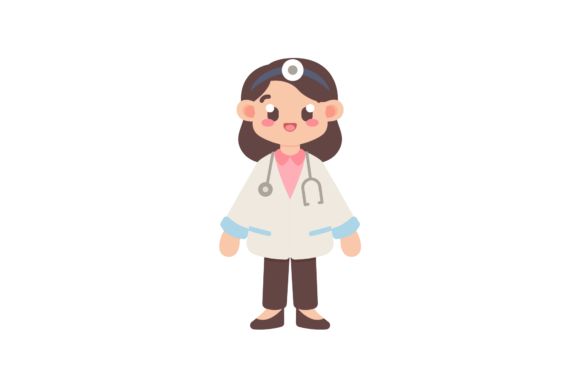
Nurse Arts Vector Design: Graphics and Illustrations for Creative Projects
As a designer with years of experience in branding, packaging, and digital marketing, I always look for high-quality graphic design assets that can elevate a project’s visual appeal without compromising functionality. Nurse Arts Vector Design caught my attention as a versatile creative design that could support a range of client projects, from handmade businesses to seasonal campaigns. Let me walk you through how this asset performs in real-world design situations.
First Impressions: Aesthetic and Mood
Nurse Arts Vector Design immediately conveys a sense of warmth and professionalism. The illustrations are clean, well-structured, and carry a modern design aesthetic that feels both approachable and polished. The style leans toward soft, hand-drawn elements with subtle textures, making it ideal for brands that want to feel authentic yet refined. This makes it a strong choice for small business branding or handmade product lines looking to connect emotionally with their audience.
The color palette is restrained but effective, allowing the design to adapt to various brand identities. Whether used in a muted tone for a minimalist logo or in bold hues for a promotional poster, Nurse Arts Vector Design offers flexibility without overwhelming the viewer.
Practical Use in Real Client Projects
When working on a client project, especially for an Etsy shop or print-on-demand seller, the right design asset can make all the difference. Nurse Arts Vector Design excels in areas like t-shirt design, sticker design, and Canva templates. Its vector format ensures crisp edges at any size, which is essential for sublimation design or product mockups.
For a recent client who runs a boutique skincare line, I used Nurse Arts Vector Design as a decorative accent in their packaging design. The illustration added a touch of sophistication without competing with the brand’s typography or messaging. It also worked well in social media graphics, where its size and clarity made it perfect for Instagram posts and Pinterest pins.
Best Fit for Visual Applications
This design shines in large layout areas such as hero graphics, editorial design, and campaign visuals. Its 1920 px x 1280 px canvas size allows for detailed work that translates well into both digital and print formats. For example, when designing a seasonal flyer for a local event, Nurse Arts Vector Design provided a strong focal point that helped guide the visual hierarchy without overshadowing the text.
It also works well as part of a themed collection or printable design. Whether used in a downloadable wall art set or as part of a design bundle, the asset maintains its integrity across different applications. For a client launching a new line of eco-friendly tote bags, the design was adapted into a sticker design that complemented the product’s message perfectly.
Considerations for Careful Use
While Nurse Arts Vector Design is highly adaptable, there are scenarios where it may not be the best fit. In minimalistic branding or professional corporate materials, the design’s texture and detail could clash with a clean, modern aesthetic. Similarly, in crowded layouts or complex backgrounds, the illustration might lose its impact and become visually distracting.
For a client focused on a very clean visual hierarchy, I would recommend pairing this asset with simpler elements or using it as a secondary graphic rather than the primary focus. It’s also important to test it on both light and dark backgrounds to ensure proper contrast and readability.
Impact on Branding and Design Quality
One of the key factors in any design project is how well it supports brand consistency and emotional appeal. Nurse Arts Vector Design contributes to a cohesive brand identity by offering a visual language that feels consistent across multiple touchpoints. Whether used in web design, blog visuals, or marketing visuals, it helps reinforce the brand’s personality and values.
From a technical standpoint, the availability of multiple file formats—AI, EPS, SVG, DXF, JPG, and PNG—makes it easy to integrate into different workflows. For a client using Cricut projects or digital sellers preparing for print-on-demand, the SVG and PNG designs are particularly valuable. They allow for precise editing and high-quality output, ensuring that the final product meets professional standards.
Designer Notes: What to Check Before Use
Before using Nurse Arts Vector Design for a client project, I always recommend testing it in black and white to assess its effectiveness without color. This helps determine if the design holds up in monochrome, which is often necessary for certain print applications or low-color branding schemes.
Another critical step is to preview the design at various sizes. While the 1920 px x 1280 px resolution is suitable for most digital uses, it’s important to check how it appears in smaller formats like social media avatars or mobile ads. Additionally, placing it on real mockups—whether for a t-shirt or a product package—can reveal how it interacts with other design elements and the final product’s texture.
If the design includes transparency, inspecting the PNG design for clear edges is essential. For vector-based applications, verifying the editability of the AI or EPS files ensures that adjustments can be made without loss of quality. Finally, always confirm the commercial license to avoid any legal issues when delivering the final design to a client.
Conclusion: A Versatile Asset for Creative Professionals
Nurse Arts Vector Design is a valuable addition to any designer’s toolkit, especially for those working on handmade businesses, small business branding, or seasonal campaigns. Its blend of artistic flair and technical precision makes it suitable for a wide range of applications, from t-shirt design to editorial design. With proper consideration and testing, it can enhance the visual appeal of a project while maintaining a professional and cohesive look.